
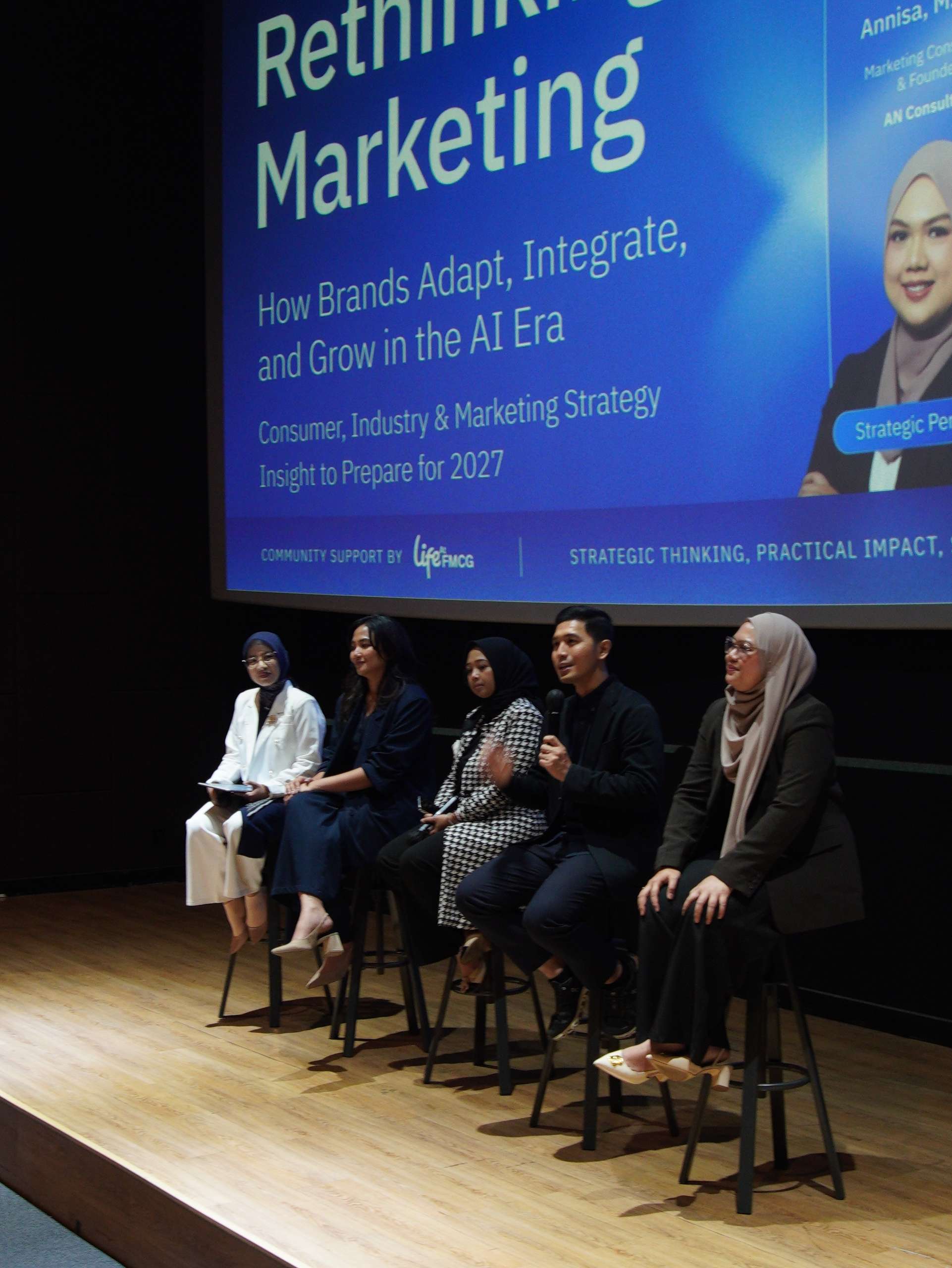
AI is making marketing work faster. Content can be created in seconds, data is easier to analyze, and tasks that once required significant time can now be supported by technology. But when every brand has access to the same technology, the next question is: what makes a brand continue to be chosen?
This question was among the key discussions at AN Insight Live 2026: Rethinking Marketing, hosted by AN Consulting on September 8, 2026, at CGV FX Sudirman, Jakarta. Under the theme How Brands Adapt, Integrate, and Grow in the AI Era, the event brought together four perspectives spanning marketing strategy, consumers, brands, and business growth.
AN Insight Live: Creating a Space for Marketers to Learn and Connect
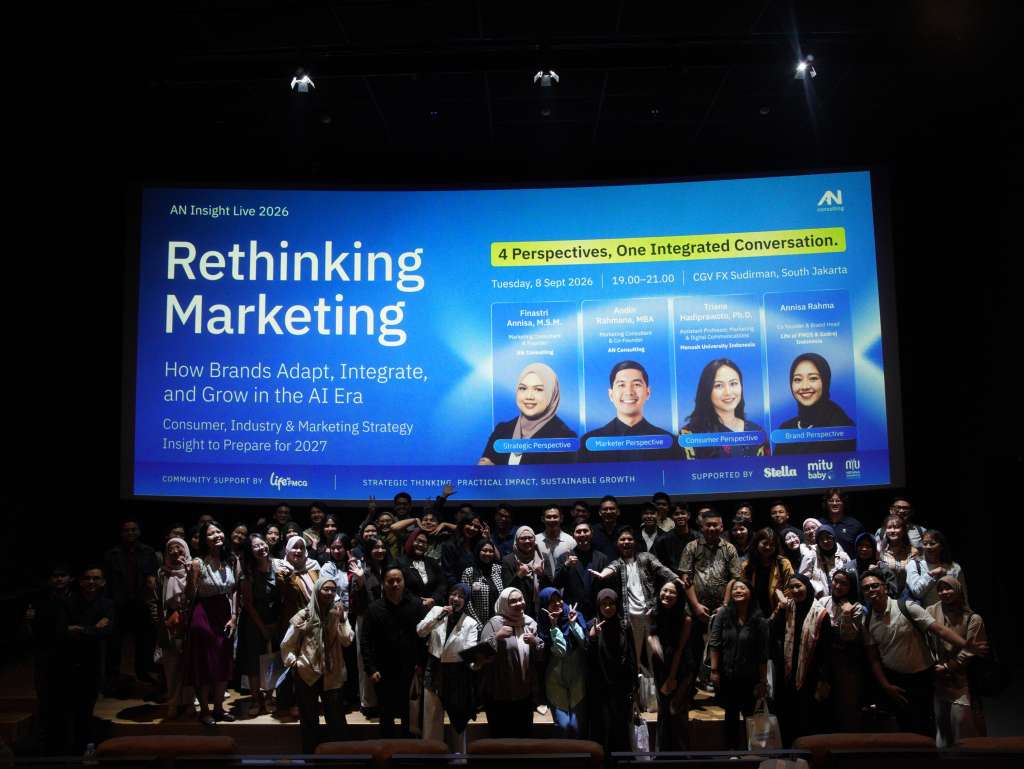
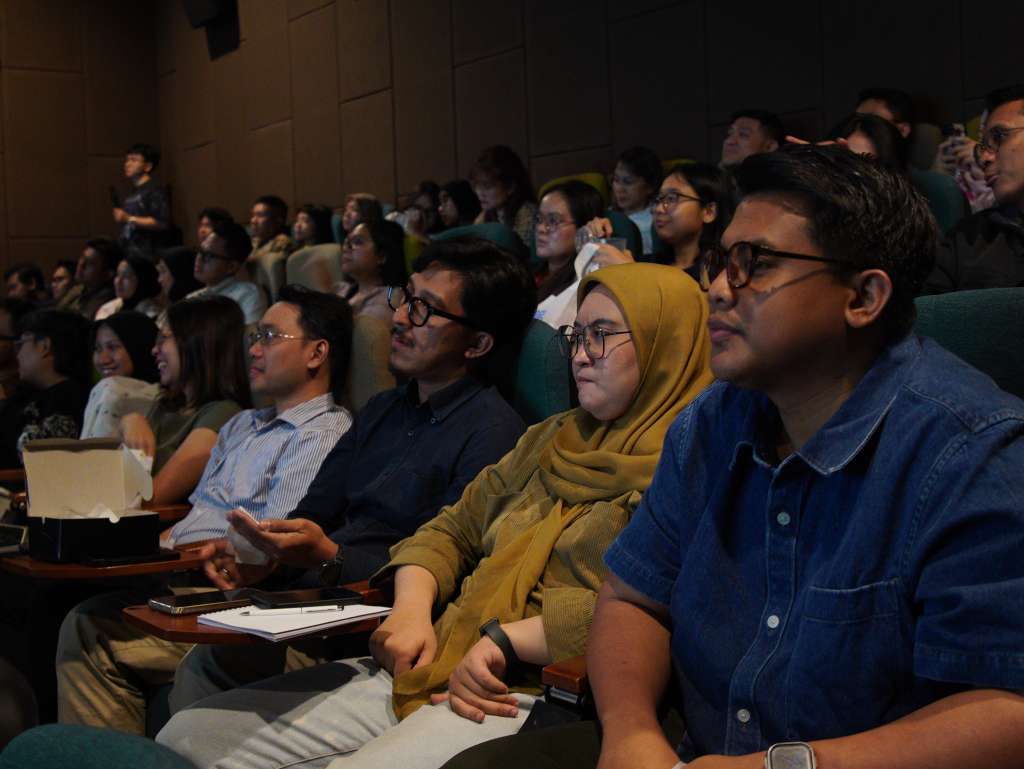
The event brought together more than 80+ participants, primarily marketers from different roles, brands, organizations, and companies across multiple industries. Beyond sharing insights, AN Insight Live was designed as a space where marketers could connect, exchange experiences, and discuss the challenges they face in a rapidly changing industry.
For Finastri Annisa, Founder of AN Consulting, the initiative reflects AN Consulting’s role in supporting marketers beyond simply providing consulting services.
“AN Insight Live is one of AN’s ways to be a friend to marketers. Being a marketer is not easy, especially when facing the challenges of the industry, business competition, and today’s economic landscape. We want AN Consulting to be a marketer’s best friend, a place to share, talk things through, and find solutions, strategies, and insights that can create value for their business.”
The experience was also intentionally designed around the way the audience learns. Rather than holding the event in a conventional seminar or meeting room, AN Consulting chose a cinema studio to create a more immersive and interactive learning environment.
According to Andin Rahmana, MBA, Marketing Consultant & Co-Founder of AN Consulting, the cinema format was intended to give marketers a more comfortable way to engage with the materials while creating an experience that felt different from a typical professional event.
The format also reflected the broader idea behind AN Insight Live: learning does not have to feel formal or rigid. It can be an experience where marketers can sit back, engage with new perspectives, and have meaningful conversations with others facing similar challenges.
When Content Becomes Abundant
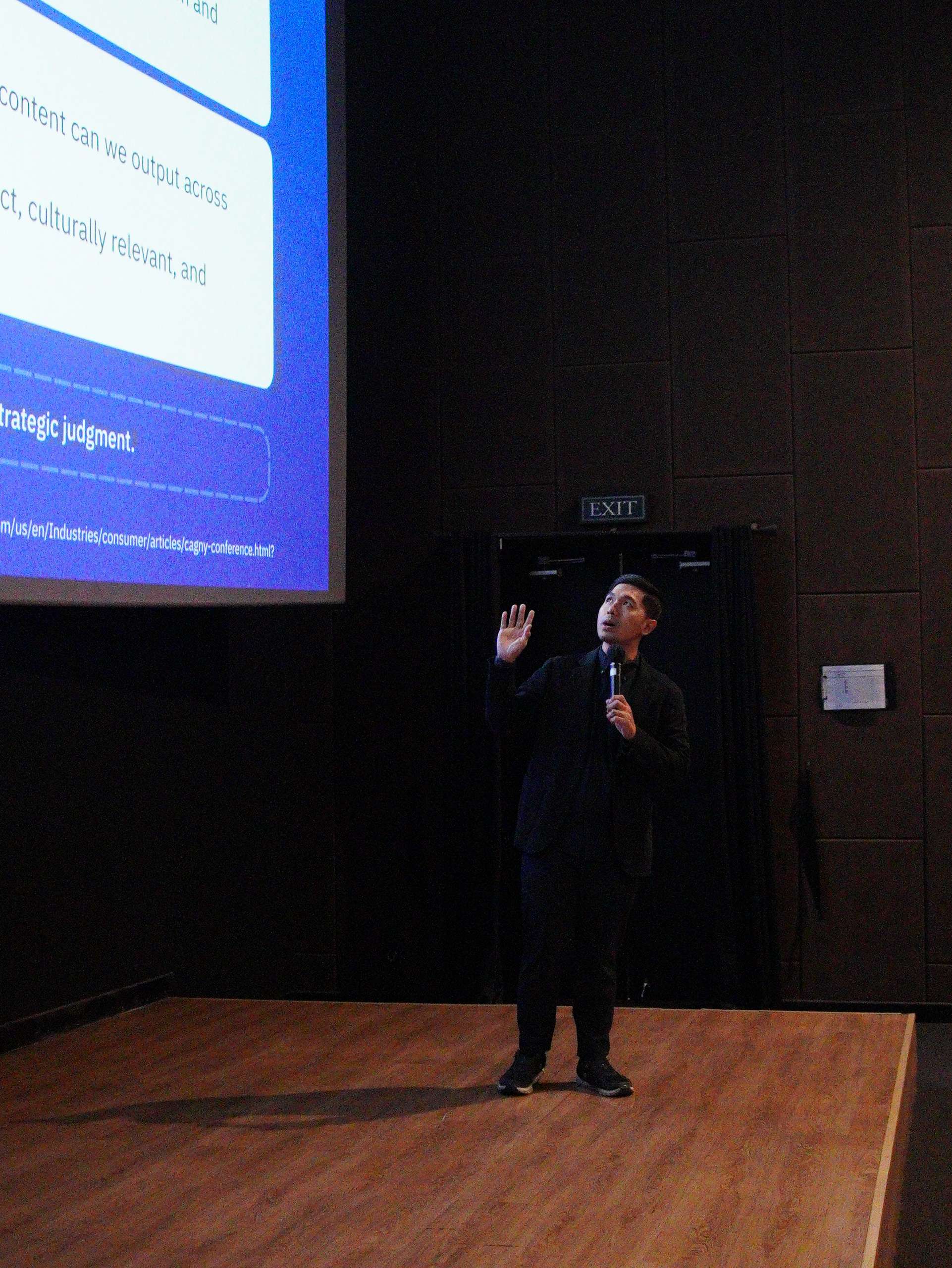
In a session led by Andin Rahmana, MBA, the changing role of marketers became one of the key topics.
AI can now support a wide range of tactical marketing tasks, from copywriting and design to media optimization and reporting. As a result, simply knowing how to use different tools is no longer enough. Marketers need to understand the relationship between customers, brands, data, and business.
This shift calls for marketers to move beyond being tactical executors and become integrated marketers, professionals who can see the bigger picture and use AI to support decision-making without replacing strategic judgment.
As content becomes easier to produce, Andin highlighted a fundamental shift: “Content is no longer scarce. Consumer attention and original ideas are.”
The challenge, therefore, is no longer how much content a brand can produce, but whether that content is distinctive and relevant enough to earn attention.
Consumers Are Changing Too
The shift is not happening only on the brand side. Triana Hadiprawoto, Ph.D., Assistant Professor of Marketing & Digital Communications at Monash University Indonesia, explored how the customer journey is becoming increasingly difficult to map.
The customer journey no longer moves neatly from awareness to purchase. Consumers may move between reviews, communities, social media, and AI-generated recommendations before making a decision.
As Triana put it, “the customer isn’t always human anymore.” AI assistants are increasingly helping consumers search for information and make choices.
For marketers, this means understanding consumers requires more than looking at what they click or buy. Brands also need to understand the motivations, needs, and effort behind those decisions.
Brands Need to Keep Earning Relevance
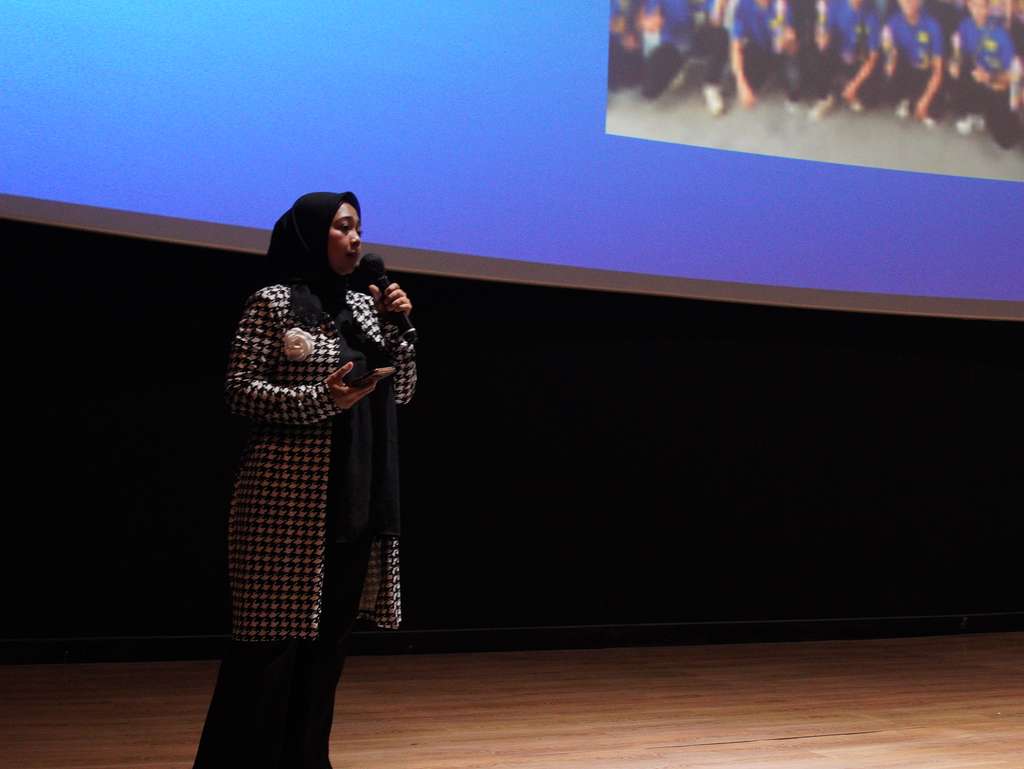
The next perspective came from Rahma Annisa, Brand Head of Godrej Indonesia and Co-Founder of Life at FMCG. Her point was clear: brands cannot rely solely on what made them successful in the past.
“Heritage gets you remembered. Relevance gets you chosen.”
Consumers can change faster than brands. They have more choices, more channels, and higher expectations for speed and convenience. Brands therefore need to be clear about what they should protect and what they need to adapt.
This does not necessarily mean launching a new campaign every time consumer behavior changes. Sometimes, the gap lies elsewhere, in the product, message, channel, or overall customer experience.
From Customer Closeness to Sustainable Growth
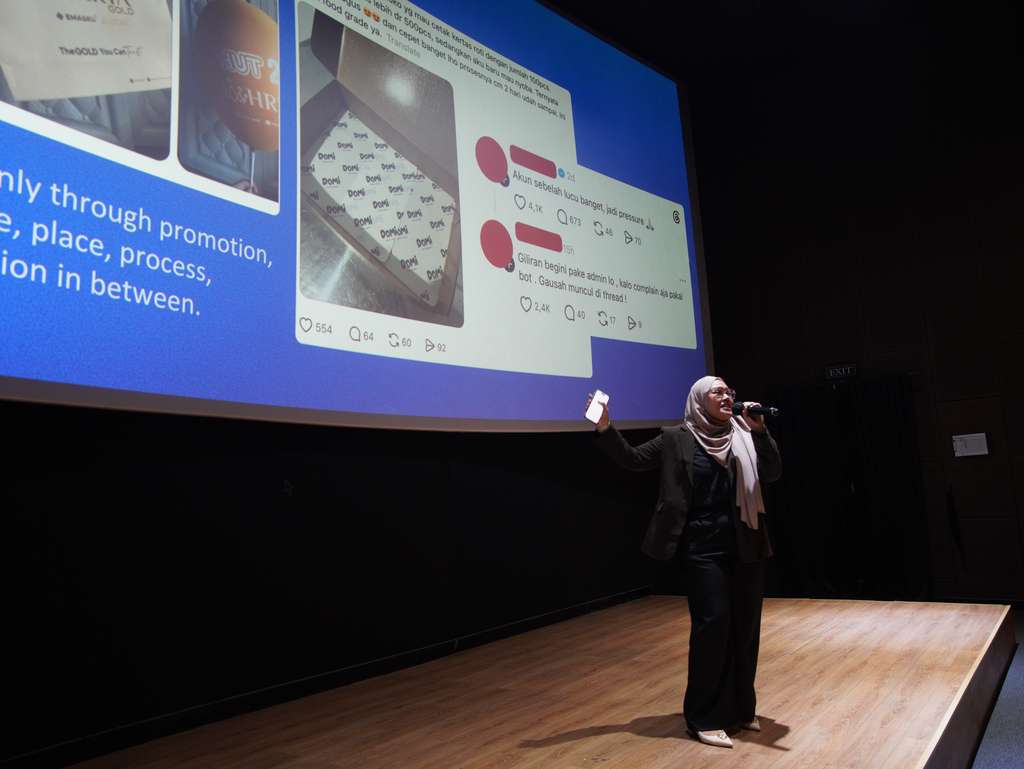
After exploring the changing roles of marketers, consumers, and brands, Finastri Annisa, M.S.M., Marketing Consultant & Founder of AN Consulting, brought the discussion to a broader business question: how can customer closeness translate into sustainable growth?
In her session, Designing for Sustainable Growth, customer closeness was positioned as more than having a positive relationship between a brand and its customers. It needs to be demonstrated through business impact, from preference and conversion to retention, repeat purchase, and customer value.
To support this, AN Consulting introduced the approach of Find the Gap, Close the Gap, and Measure the Gap. Brands first need to identify the distance between what customers need and what the brand delivers, determine the right response, and then measure whether that gap is actually becoming smaller.
Rethinking Marketing, Not Just Following Technology
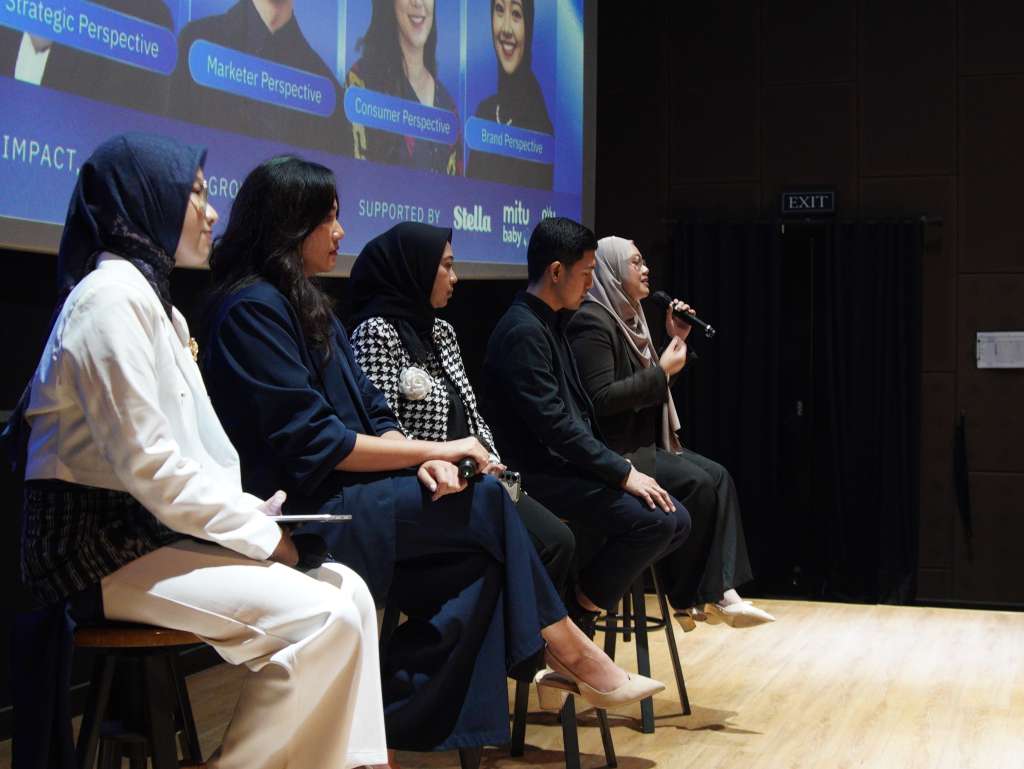
Across these four perspectives, one point becomes increasingly clear: marketing in the AI era is not simply about adopting new technology.
AI can certainly help brands work faster. But technology alone does not automatically bring brands closer to their customers.
As content becomes easier to produce and consumer choices continue to expand, brands need to return to the fundamentals: understanding customers, staying relevant, building trust, and ensuring that marketing activities create meaningful business impact.
The marketers prepared for 2027 will not simply be those who can reach the most people. They will be the ones who can understand customers faster, respond better, and stay closer to them.


